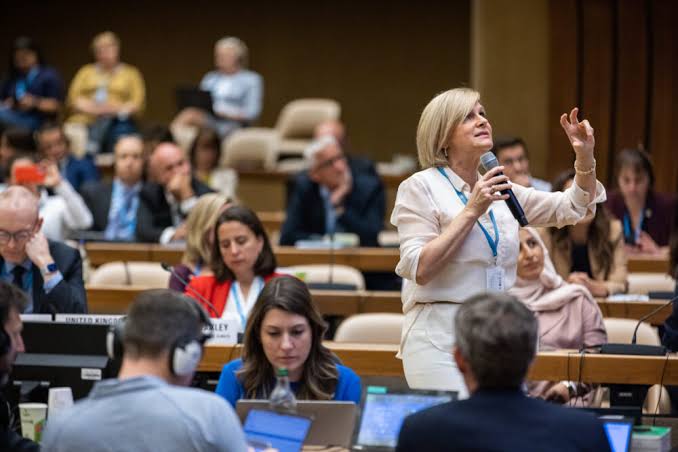
A journey from medicine and humanitarian service to the conviction that cleaner air, healthier environments, and responsible institutions can protect lives across the world.
“The purpose of environmental science is not only to describe risk. It is to help societies prevent harm.”
EDITORIAL REFLECTION FROM THE INDEPENDENT COMPANION PUBLICATION — NOT A QUOTATION FROM DR. NEIRA
THE LIFE BEHIND THE WORK
A career that crossed borders—and widened the meaning of care.
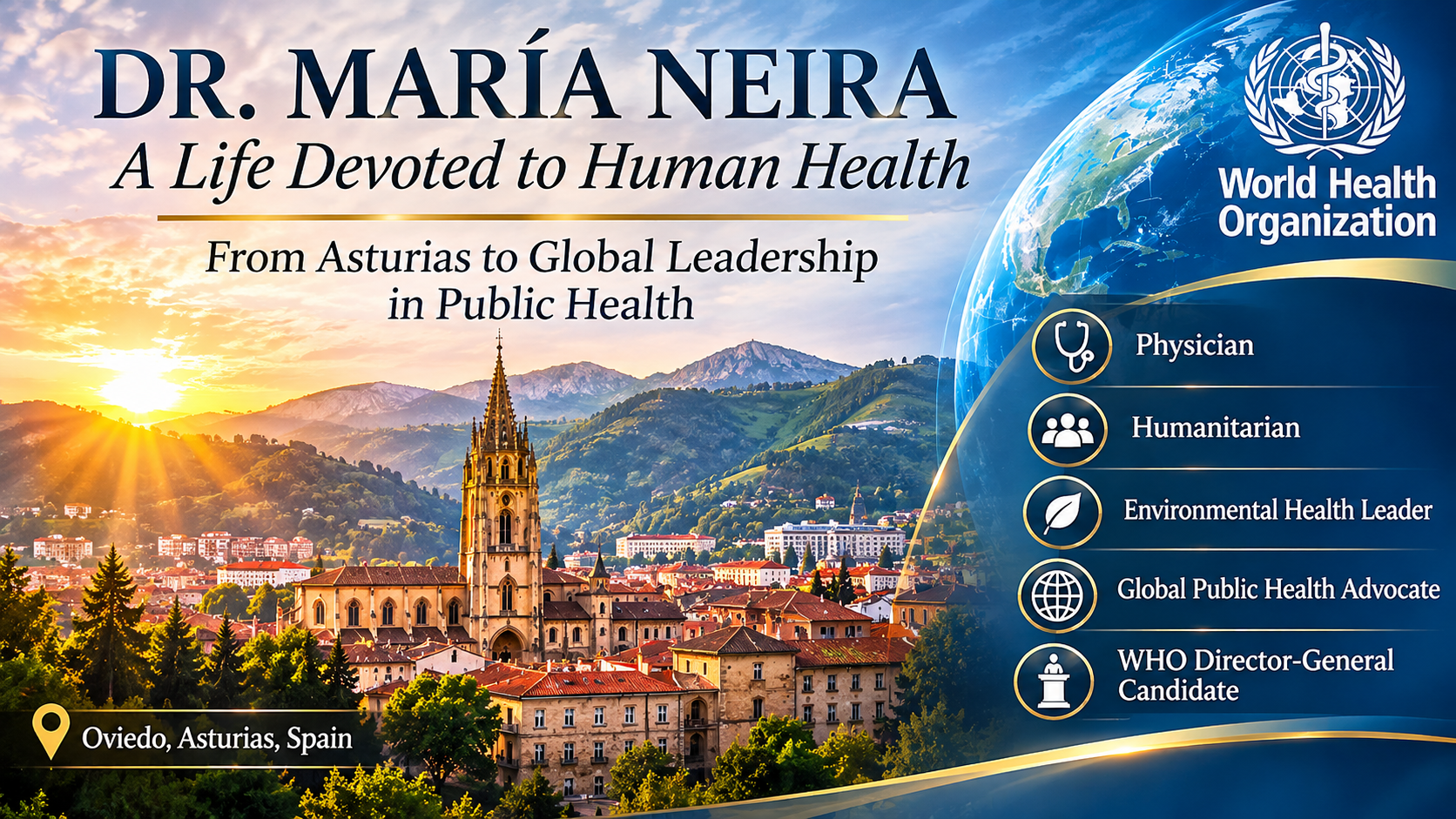
From clinical training to refugee camps, African public-health systems, Spanish government service, and international environmental-health leadership, these documented milestones illuminate the experiences behind Dr. Neira’s public-health perspective.
MEDICAL EDUCATION
Asturias and Paris
Trained in medicine and surgery at the University of Oviedo, then specialized in endocrinology and metabolic diseases in Paris. Her subsequent public-health and nutrition studies broadened the clinical foundation.
HUMANITARIAN MEDICINE
El Salvador and Honduras
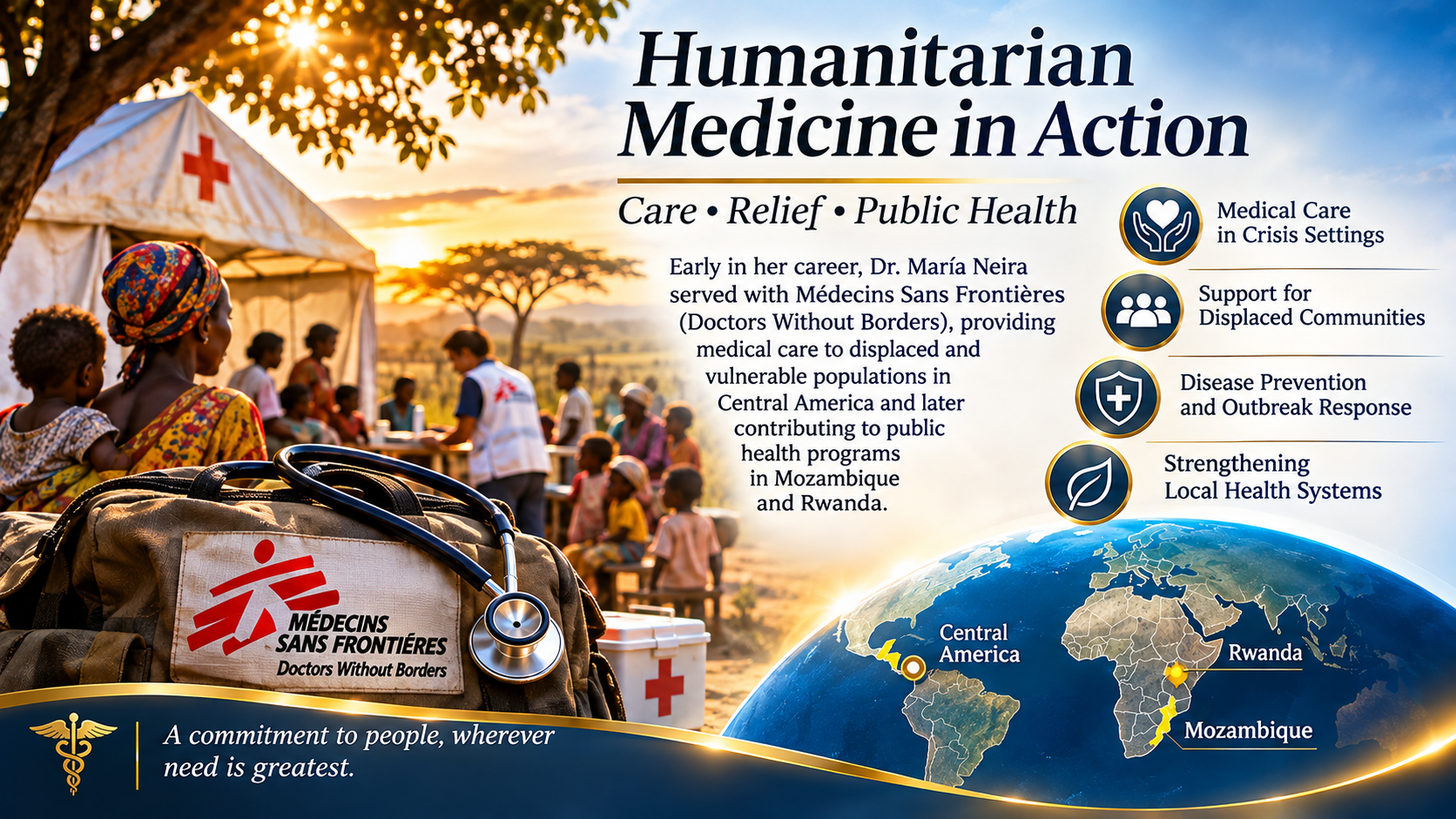
Served as a medical coordinator with Médecins Sans Frontières in refugee camps during armed conflict. This early work placed medical care alongside displacement, instability, and the urgent needs of vulnerable communities.
PUBLIC HEALTH IN AFRICA
Mozambique and Rwanda
Worked as a public-health adviser in Mozambique and as a United Nations public-health adviser and physician in Rwanda, connecting medical practice to population-level health systems.
1993
Joining the World Health Organization
Began at WHO as coordinator of the Global Task Force on Cholera Control, an international challenge involving water, sanitation, disease surveillance, and coordinated prevention.
1999
Disease prevention leadership
Became Director of WHO’s Department of Control, Prevention and Eradication.
2002–2005
National public-health responsibility
Served as Spain’s Vice Minister of Health and Consumer Affairs and President of the Spanish Food Safety Agency, bringing international experience into national public-health policy.
2005–2025
Environment, climate and health
Directed WHO work on environmental determinants of health, including air pollution and climate-related risks, for approximately two decades. Her tenure ended in 2025.
2026
A new leadership candidacy
Spain nominated Dr. Neira for WHO Director-General. WHO listed her among seven candidates on 29 October 2026. This is a candidacy, not an appointment; the selection process continues into 2027.
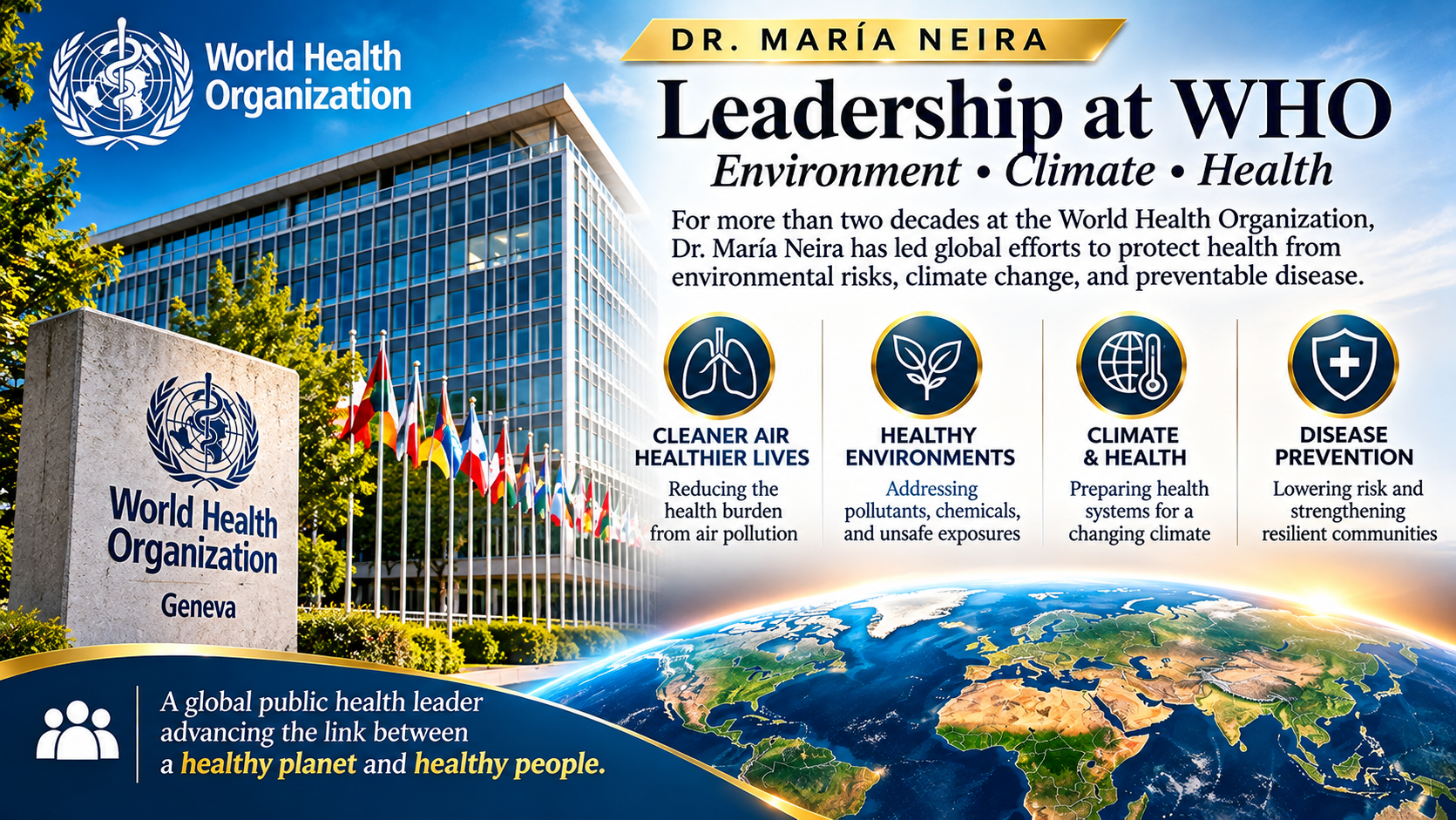
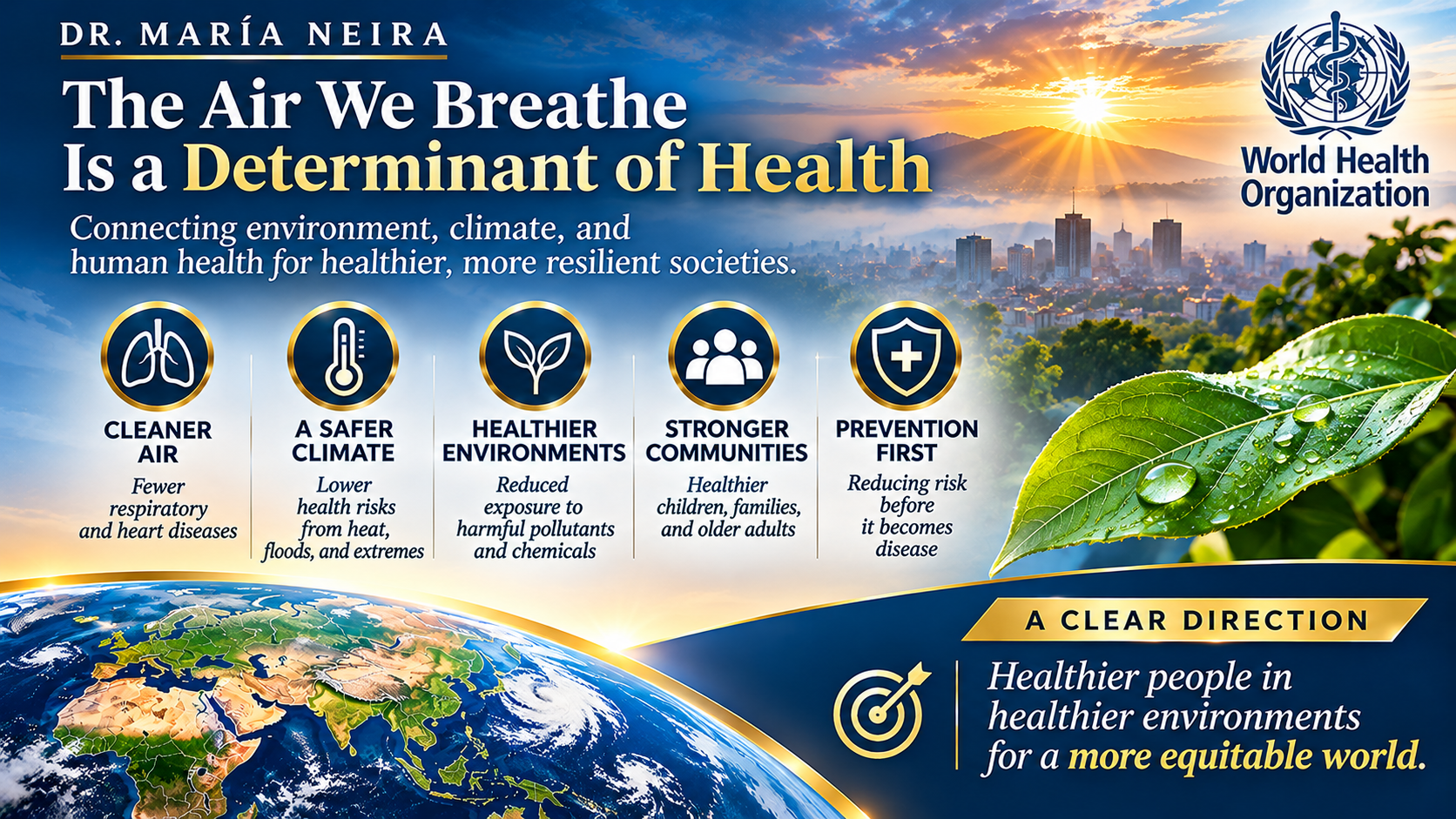
Original educational illustration. Conceptual imagery, not a documentary record.
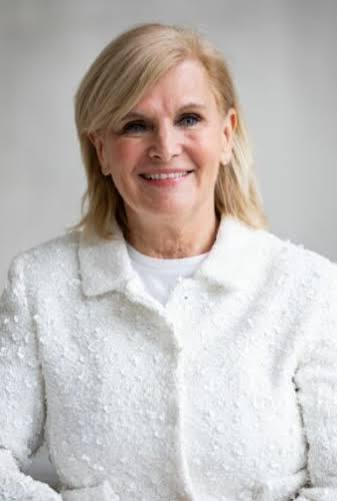
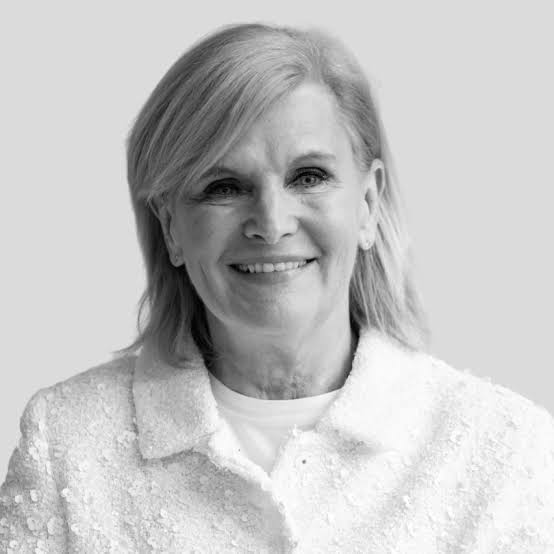
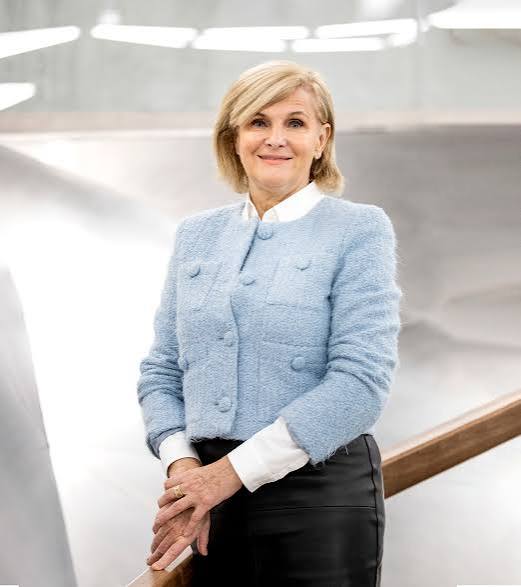
Photograph supplied for the tribute. Date, location, and attribution not independently established.
Dr. María Neira’s story begins in Asturias, Spain. Medicine offered a way to care for one person at a time; public health would widen that responsibility to whole communities.
THE WIDER QUESTION
Health is shaped by access to clean water, safe shelter, nutrition, sanitation, and timely care. A public-health perspective connects the patient to the circumstances that make illness more or less likely. This chapter introduces that connection as a way of understanding her career; it does not claim a particular event caused her later choices.
AUDIO NARRATION
Listen to the chapter’s story and its public-health context.
Browser-generated spoken narration; available voices vary by device.
A QUESTION TO CONSIDER
What environmental condition in your own community affects health long before a person reaches a doctor?
CHAPTER 02 / 06
Where Care Is Most Needed
Humanitarian service
Original educational illustration. Conceptual imagery, not a documentary record.
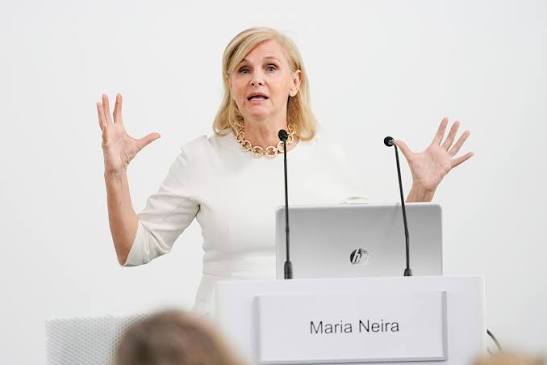
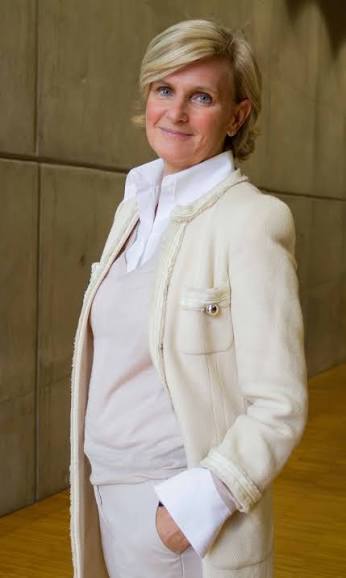
Photograph supplied for the tribute. Date, location, and attribution not independently established.
Her career includes humanitarian medical work and international health leadership. The significance of that experience is not spectacle but proximity to vulnerability: health is shaped by the conditions in which people must live.
CARE UNDER CONSTRAINT
In humanitarian settings, the clinical encounter is inseparable from water, shelter, sanitation, supply chains, public institutions, and the ability to reach care. Effective protection therefore requires coordination, not only expertise. This is an educational interpretation of the public-health significance of humanitarian work, rather than an account of an unverified specific mission.
AUDIO NARRATION
Listen to the chapter’s story and its public-health context.
Browser-generated spoken narration; available voices vary by device.
A QUESTION TO CONSIDER
If a clinic treats respiratory illness while unsafe conditions persist outside, what remains unresolved?
CHAPTER 03 / 06
Health Is Larger Than Healthcare
Global public-health leadership
Original educational illustration. Conceptual imagery, not a documentary record.
Photograph supplied for the tribute. Date, location, and attribution not independently established.
Through senior roles at the World Health Organization, Dr. Neira became widely associated with environmental determinants of health, including polluted air, climate-related risks, and the preventable burden of disease.
FROM CLINICAL CARE TO PREVENTION
Environmental health brings evidence about exposure and disease into the decisions made by health systems, cities, workplaces, and governments. The World Health Organization has long treated air pollution and climate-related health risks as major public-health concerns. Dr. Neira’s leadership helped keep these questions visible in international health discussions.
AUDIO NARRATION
Listen to the chapter’s story and its public-health context.
Browser-generated spoken narration; available voices vary by device.
A QUESTION TO CONSIDER
Which decision-makers beyond the health sector influence the conditions that determine health?
CHAPTER 04 / 06
The Air That Connects Us
Air, climate, and health
Original educational illustration. Conceptual imagery, not a documentary record.
Photograph supplied for the tribute. Date, location, and attribution not independently established.
Air pollution crosses borders, disciplines, and generations. Clinicians can recognize its consequences; atmospheric scientists can characterize hazards; policymakers can reduce exposure. None of those contributions should stand alone.
EXPOSURE IS NOT A SINGLE NUMBER
A sensor reading describes a measurement at a particular place and time. Human exposure depends on where people spend time, pollutant concentrations, duration, ventilation, activity, and vulnerability. Ambient and indoor conditions may differ. A useful public-health response combines measurements with exposure science, epidemiology, local circumstances, and practical prevention.
AUDIO NARRATION
Listen to the chapter’s story and its public-health context.
Browser-generated spoken narration; available voices vary by device.
A QUESTION TO CONSIDER
Would a citywide average describe the air experienced by a child in a classroom beside a busy road?
CHAPTER 05 / 06
When Science Must Withstand Scrutiny
From observation to trustworthy evidence
Original educational illustration. Conceptual imagery, not a documentary record.
Photograph supplied for the tribute. Date, location, and attribution not independently established.
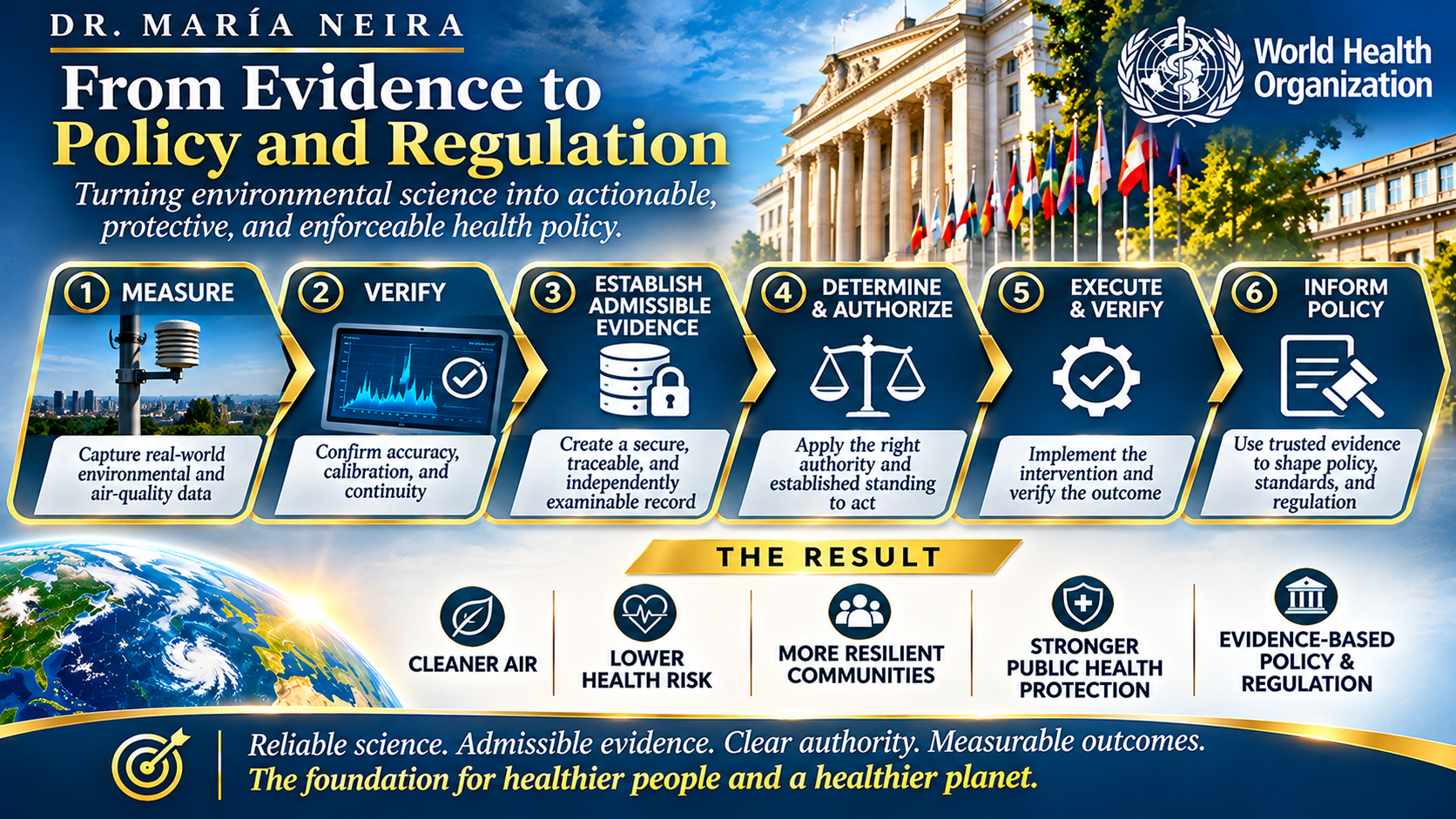
A trustworthy environmental record preserves the original measurement, instrument identity, calibration, location, time, uncertainty, and every consequential transformation. It separates observation from inference and makes independent review possible.
SCIENTIFIC INTEGRITY BEFORE DECISION
Good measurement practice documents methods, instrument performance, calibration, time, location, and limitations. Data cleaning and modeling should be distinguishable from raw observations. Evidence can support a risk assessment without proving that one particular source caused one particular illness. Uncertainty should be reported, not hidden, especially when an intervention affects people or resources.
AUDIO NARRATION
Listen to the chapter’s story and its public-health context.
Browser-generated spoken narration; available voices vary by device.
A QUESTION TO CONSIDER
Could another qualified examiner reconstruct the basis for a proposed intervention from the available record?
CHAPTER 06 / 06
The Promise Must Become Protection
From evidence to accountable action
Original educational illustration. Conceptual imagery, not a documentary record.
Photograph supplied for the tribute. Date, location, and attribution not independently established.
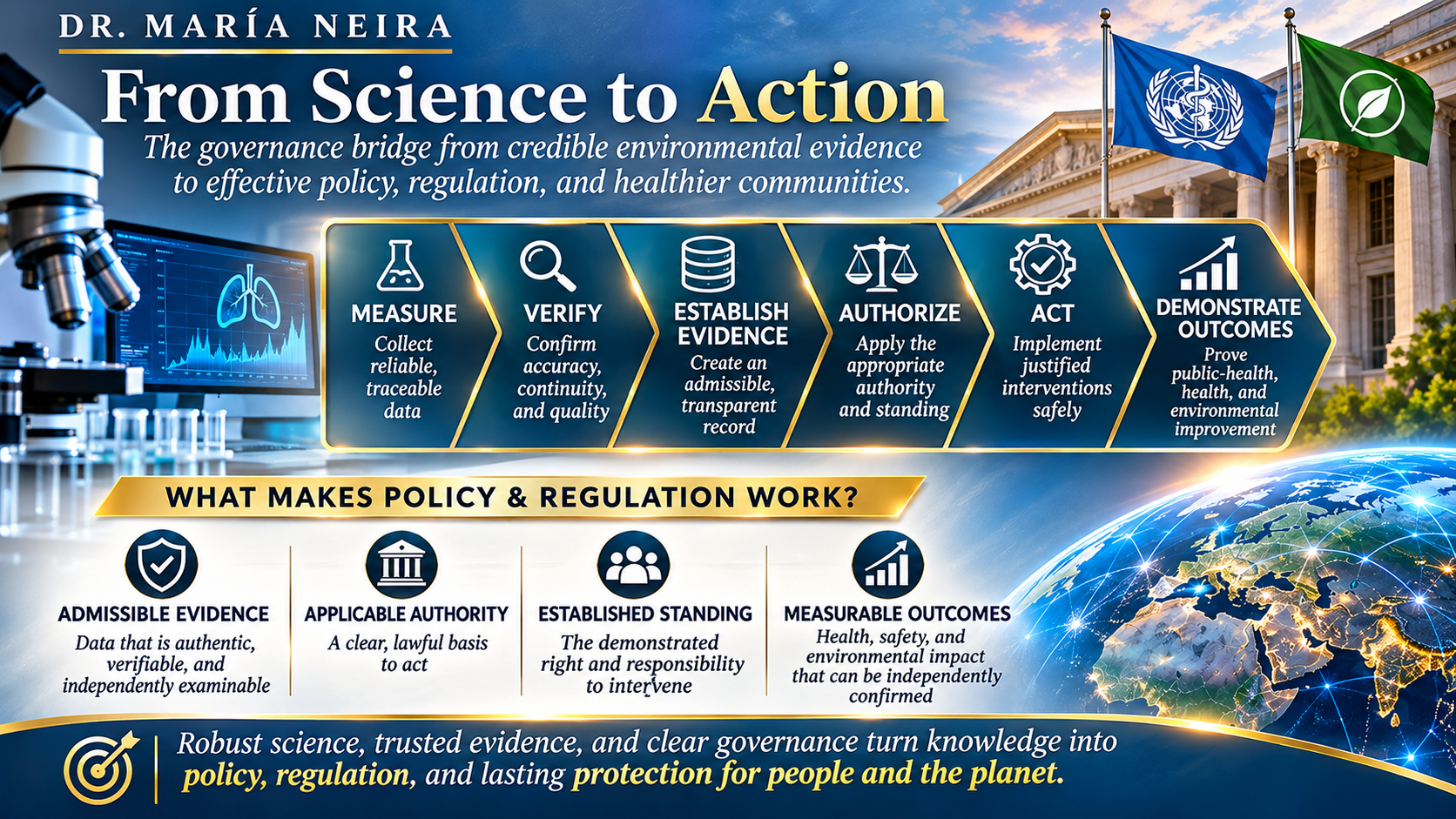
Evidence alone does not grant permission to intervene. Public protection also requires applicable authority, an actor with established standing, bounded action, safeguards, and independent verification. Approval is not proof of execution; execution is not proof of health benefit.
FROM PROMISE TO ACCOUNTABILITY
Consider a hypothetical school near a high-traffic road. Measurements indicate a potential exposure concern. Officials must assess data quality, occupancy, ventilation, filtration, health implications, and feasible remedies. The institution with lawful responsibility must determine what action is justified. After implementation, measurements and operational records can test whether exposure was reduced. This example is independent educational analysis, not a policy attributed to Dr. Neira or WHO.
AUDIO NARRATION
Listen to the chapter’s story and its public-health context.
Browser-generated spoken narration; available voices vary by device.
A QUESTION TO CONSIDER
What evidence would convince an independent reviewer that the intervention actually improved conditions?
A CLOSING REFLECTION
The lives behind the science.
Behind every environmental-health statistic is a person: a child walking to school, a family seeking safety, a patient trying to breathe, a community facing risks it did not choose. Scientific evidence matters because those lives matter.
Dr. María Neira’s career connects bedside medicine, humanitarian service, public institutions, and the conviction that prevention belongs at the heart of health. This independent tribute honors that breadth of service and the enduring public-health question it raises: how can knowledge become healthier conditions for people everywhere?
May the measure of progress remain the people whose health is protected.
Independent editorial reflection. Not a quotation or statement attributed to Dr. Neira.
AN INDEPENDENT EXECUTIVE COMPANION
The Air We Measure. The Lives We Protect.
A nine-page examination of the difference between continuous air monitoring and accountable environmental governance: evidence integrity, lawful authority, bounded interventions, and independently verified outcomes.