
Learn the system, components, heat, airflow, moisture and refrigeration.
EIGHT24 SOLUTIONS × TA-14 · IMMERSIVE HVACD/R WORKFORCE DEVELOPMENT
When technical vision meets immersive learning.
Eight24 Solutions and TA-14 meet at a practical boundary: how people move from learning and simulated experience toward attributable technical readiness, qualification and real-world work.
MEET THE PEOPLE BUILDING IT
Three people. Three doors into the story.
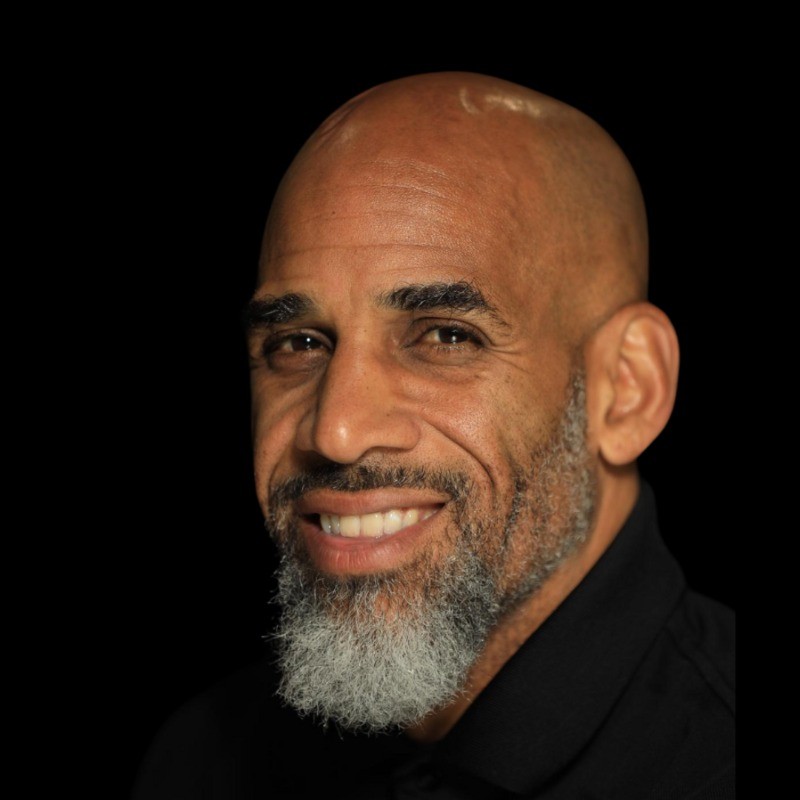
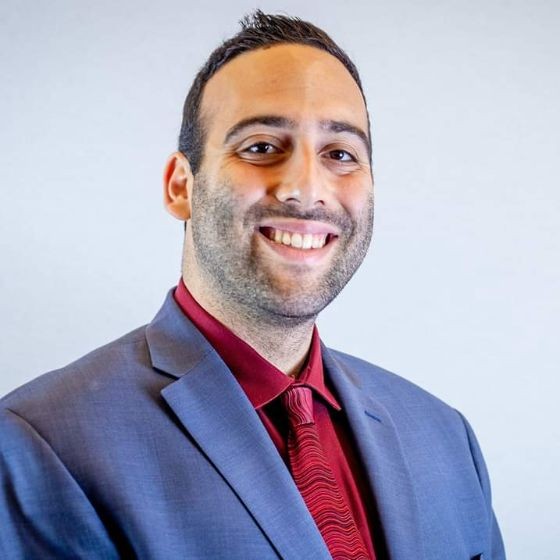
The company record matters, but the people doing the work deserve their own inspectable space. Each portrait opens a permanent personal showroom while remaining connected to the larger Eight24 record.
THE COLLABORATION ARCHITECTURE
One program. Two distinct contributions. One technician journey.
The collaboration is not simply curriculum placed inside VR. TA-14 defines the HVACD/R learning architecture, field evidence disciplines and execution-boundary logic. Eight24 provides the immersive implementation, interaction environment and deployment infrastructure that can turn those concepts into repeatable experiences.
120 HOURS
Complete HVACD/R technician-readiness journey
18 MODULES
Inspectable curriculum rooms from foundations through capstone
7 PHASES
Understand → establish record → determine → execute → preserve → judge → prove
FIELD → IMMERSIVE
Real service-call reasoning translated into simulated decisions and consequences
WHY THIS MATTERS
The biggest thing I ever got was an opportunity.
TA-14 founder Greggory Don Butler came to the HVAC trade after being raised by the state and later experiencing homelessness, without a stable home, vehicle or family safety net to fall back on. What changed the trajectory was not somebody lowering the standard. It was access to a school, a trade and the chance to make the opportunity count.
That experience is part of the reason this collaboration is built around a practical workforce question: what happens when a learner who is hungry for a future is given a serious pathway to earn one?
THE STANDARD DOES NOT GET SMALLER
Opportunity means giving someone a real door. Readiness still has to be demonstrated.
The objective is not to manufacture a credential or promise an outcome. It is to provide instruction, practice, evidence, feedback and repeated chances to progress toward employable technical capability.
THE WORKFORCE ON-RAMP
Start with the trade. Build toward the technician.
The pathway begins with fundamentals a new learner can enter and then compounds them into field reasoning. Basic HVACD/R, electrical measurement, airflow, heat, moisture, refrigeration and dehumidification create the foundation. EPA Section 608 preparation connects refrigerant work to the federal certification pathway. From there, the learner moves into evidence, diagnostics, intervention, verification and professional judgment.
Prepare for the certification knowledge required for regulated refrigerant work.
Practice a repeatable service-call discipline instead of guessing at the equipment.
Encounter equipment states, measurements, choices and consequences before the stakes are real.
Preserve evidence of what the learner can observe, determine, perform and verify.
Carry demonstrated capability toward apprenticeship, employment and continued field development.
INTERACTIVE · THE 120-HOUR JOURNEY
Eighteen modules. Click the journey.
The program compounds capability. Select any module to see where it sits, how much instructional time it carries and what it is intended to establish before the learner moves forward.
MODULE 015h01 · UNDERSTAND THE SYSTEM
HVACD/R Field Foundations
Build the safety, tool, component and field vocabulary a new technician needs before deeper diagnosis.
01–04 · FOUNDATIONS + EPA 60805–07 · ESTABLISH THE RECORD08–10 · DETERMINE11–12 · EXECUTE + VERIFY13–14 · PRESERVE15–17 · JUDGMENT18 · CAPSTONE
INTERACTIVE · WHERE DOES THE LEARNER ENTER?
Not everyone walks through the same door.
Choose a starting condition. The destination is not a shortcut to a credential; it is the next evidence-supported step in the learner's development.
START HERE
I am new to HVAC.
Begin with system recognition, safety, tools, basic electrical, airflow, heat, moisture and refrigeration before asking the learner to diagnose consequences.
INTERACTIVE LAB · TRY THE SERVICE CALL
COMPLAINT → EVIDENCE → CONSEQUENCE BOUNDARY
The customer complaint is evidence that a problem deserves examination. It does not identify the cause.
The equipment is running. The complaint is real. What does the evidence authorize you to conclude?
BUILD THE RECORD · 0/4
Select the evidence categories you would establish before proposing an invasive refrigerant-system consequence.
The record is still at the complaint stage. Start by establishing attributable observations.
SIMULATED SERVICE CALL
“It is not cooling like it used to.”
You arrive at an operating comfort-cooling system. The customer wants it fixed today. The initial record contains a complaint, indoor and outdoor conditions, and a limited set of observations—but the refrigerant-system evidence needed to justify opening the circuit has not yet been established.
CALL
Cooling complaint
SYSTEM
Operating
RECORD
Incomplete
PRESSURE
Customer wants action
YOUR DETERMINATION
Choose what the current evidence supports.
THE LESSON IS NOT “DO NOTHING.”
HOLD means stop the proposed consequence where the evidence stops, then keep examining. In the immersive program, the learner can be rewarded for refusing an unsupported intervention and then be asked to gather the next admissible evidence.
Training simulation only. It does not prescribe field procedures for a particular system. Actual service work depends on equipment, conditions, manufacturer requirements, applicable law, safety requirements and technician qualifications.
THE FIELD DISCIPLINE
Fourteen steps. One habit: do not skip the evidence.
The program can make the field sequence visible inside immersive training: enter deliberately, establish the pre-intervention record, determine what the evidence supports, execute only what is justified, then leave behind a verified post-intervention record. The fourteen-step discipline is where classroom knowledge starts becoming repeatable technician behavior.
SEVEN IN → DETERMINE → BOUNDED INTERVENTION → SEVEN OUT
IN 01 · ARRIVE
Establish the service-call context before touching the equipment.
Numbers 1–7 are Seven In; D is the determination boundary; ACT is bounded intervention; numbers 8–14 are Seven Out. DETERMINE and ACT are boundary events, not additional field steps. Exact field measurements and applicable procedures depend on the equipment, task, conditions and governing requirements.
EXPLORE THE 18-MODULE PROGRAM →NO LEARNER DISAPPEARS BETWEEN INSTRUCTION AND OPPORTUNITY
Meet the learner where they are. Keep the standard visible. Give them a way to keep moving.
Some learners will move quickly. Some will need repetition, another walkthrough or another guided attempt. The immersive environment creates room to practice without pretending an unsuccessful attempt was a success. Progress can be observed, gaps can be identified, and the learner can return to the exact capability that still needs to be established.
THE SHARED PROBLEM
Knowing is not the same as being ready to act.
Immersive learning can let a technician encounter systems, measurements, decisions and consequences before the stakes become real. TA-14 extends that progression by making evidence, standing and execution authority explicit at the moment a proposed action could become reality.
Capability ≠ Authority. Understanding ≠ Permission. The evidence that someone can perform an action and the authority for that action to occur are related — but they are not the same determination.
This public showroom is the front door, not the whole building.
The deeper TA-14 × Eight24 HVACD/R program showroom preserves the complete architecture: the 120-hour curriculum, 18 modules, Seven In / Seven Out, HPR / PI-HPR, NIRET, DDD, immersive implementation boundary, ownership and the path toward deployment. That record remains intact.
OPEN THE 120-HOUR PROGRAM →