Build the system vocabulary: electrical, airflow, heat, moisture, refrigeration and dehumidification.
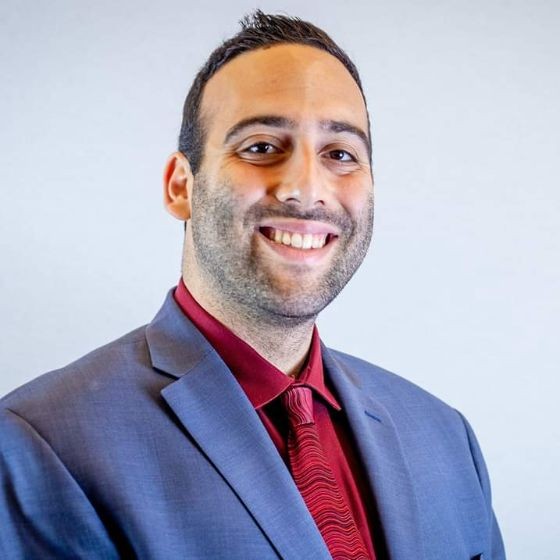
DAVID GREENBERG · TRAINING / CERTIFICATION
From training to attributable readiness.
David Greenberg's door into the collaboration is the progression from instruction and assessment toward evidence that a technician can actually perform. In the 120-hour program, that progression does not end at completion; it moves toward increasingly independent field performance.
THE READINESS LENS
Completion is an event. Readiness is evidence.
The program deliberately separates exposure, guided practice and independent performance. A learner can understand a concept without yet being ready to execute it in the field. The training architecture therefore gives the learner repeated opportunities to see the task, practice the reasoning, create the evidence and demonstrate the outcome.
WALKTHROUGH → GUIDED → PERFORM → VERIFY → PRESERVE
INSIDE THE 120-HOUR PROGRAM
Where this lens touches the learner journey.
Prepare for the federal certification knowledge associated with regulated refrigerant work.
Seven In / Seven Out turns the service call into a repeatable evidence practice.
Integrated performance asks the learner to combine measurement, diagnosis, judgment, execution and verification.
WHY THIS DOOR MATTERS
One collaboration. A different question.
Training and certification matter because they can establish evidence about knowledge and capability. They do not automatically answer every real-world authority question. The program keeps both ideas visible: prove what the learner can do, then govern what the learner is actually permitted to do in the applicable setting.
Connected to the whole system.
David's doorway is where the program asks a difficult but useful question: what evidence would make a trainer, employer or learner confident that progress is real? HPR, NIRET, DDD, PI-HPR and the capstone create places to answer that with records rather than impressions.